Spatial Path Averaging

Spatial Path Averaging - Glossary

Dear , 

Wind sensors on wind turbines operate directly within the influence zone of turbulence and wake structures behind the rotor. Not every short-term fluctuation is relevant for nacelle control—rather, what matters is a stable and representative measurement of the average wind direction. Even slight deviations in direction can affect a turbine’s efficiency.

Spatial Path Averaging
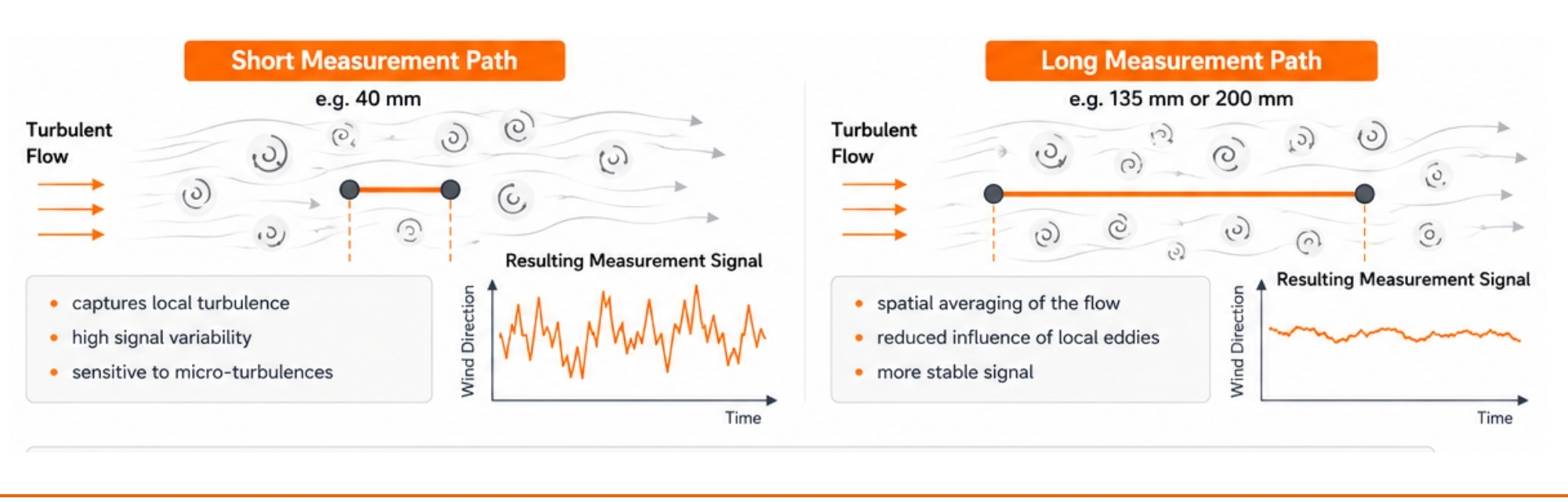
The principle of spatial path averaging does not measure a single point in the flow; instead, it integrates the wind along a defined measurement path over a spatial trajectory. As a result, local microturbulences have less of an effect on the overall signal, since they influence only a small portion of the measurement path.

In ultrasonic wind measurement systems, the extent of this averaging effect depends largely on the length of the measurement path. Short measurement paths reflect local flow fluctuations more strongly, while longer measurement paths spatially capture multiple flow components and thus produce a more stable overall signal.

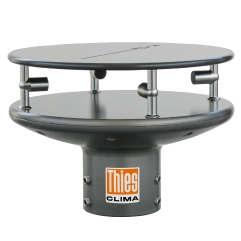
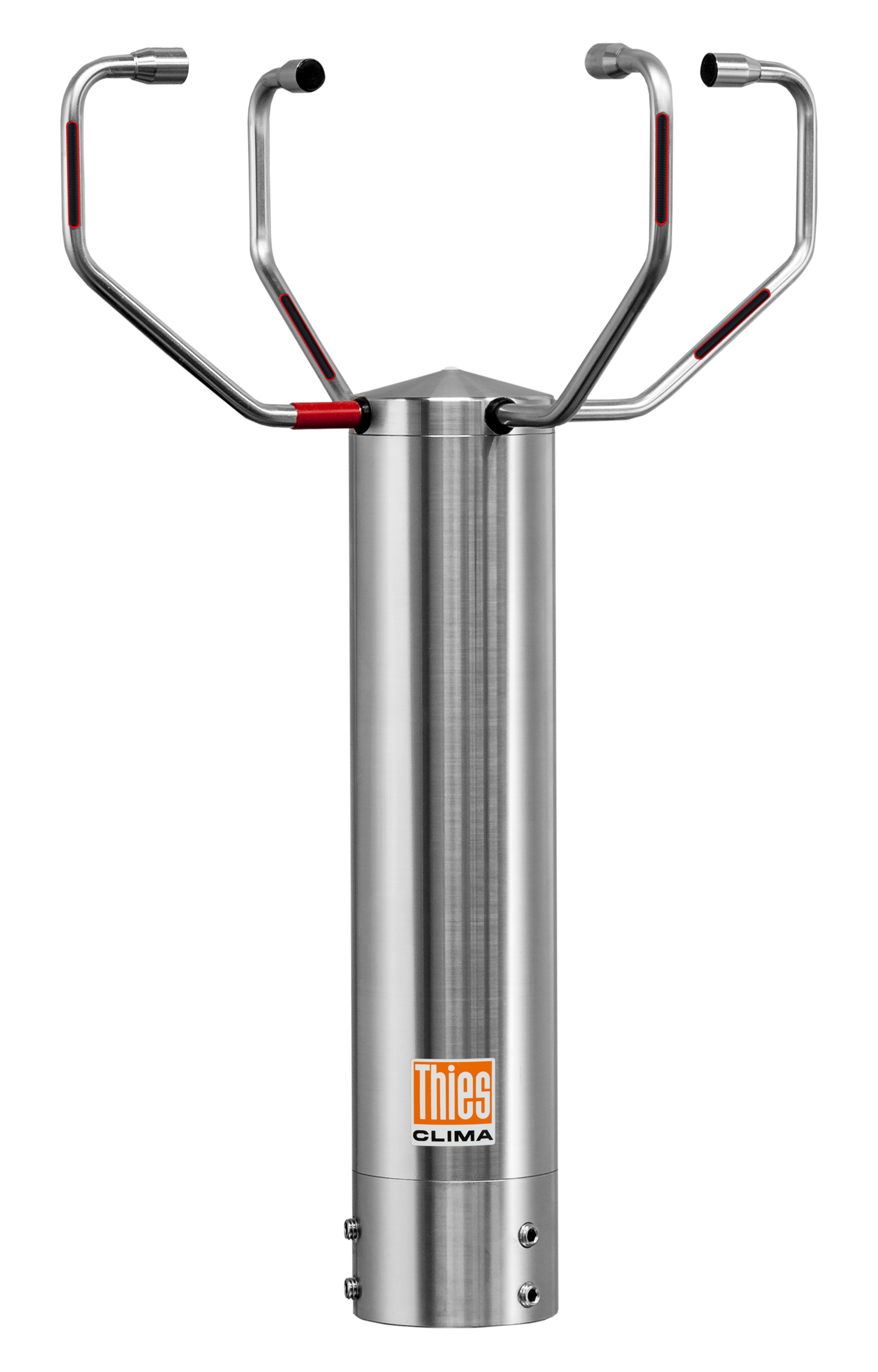
The Thies Ultrasonic 2D Compact and Ultrasonic 2D utilize precisely this principle. Their comparatively long measurement ranges of 200 mm and 135 mm, respectively, enhance the effect of spatial path averaging and thereby reduce the influence of microturbulence on the output signal. This allows for more stable measurements of wind direction and wind speed. For more details, visit our website under Applications—Wind Measurement Technology in Wind Energy. 

Advantages of Yaw Control
  • Reduced erroneous responses to wake- or turbulence-induced directional fluctuations
  • More stable and smoother control decisions

  • More efficient plant operation due to more reliable input data
Practical Benefits of the Models
  • Measurement range,
    Ultrasonic Compact: 135 mm

  • Measurement range,
    Ultrasonic 2D: 200 mm
  • Enhanced effect of spatial averaging
  • Stable signal for yaw control
Ultrasonic 2D Compact
Ultrasonic 2D

Whether Spatial Path Averaging can have a significant impact on signal quality for your application and which sensor system best suits your needs, can only be determined in the specific
context of use.

Talk to our wind measurement experts—we’d be happy to help you choose the right solution.
Via Tel: +49 551 79001-0 -  Email Contact

Your Thies CLIMA Team
THE WORLD OF WEATHER DATA

How did you like this news item?
If you don't want to receive any more messages (to: unknown@noemail.com), you can unsubscribe here free of charge at any time.
Adolf Thies GmbH & CO. KG | Thies CLIMA | Hauptstr. 76 | 37083 Götiingen | GERMANY | +4955179001 0
info@thiesclima.com | www.thiesclima.com | Geschäftsführer: Dr. Christoph Peper | Register: HRA 2488 | Tax ID: DE 115311033